
17 November 2026
Why wanting too much, too soon can lead to trouble!
Nick discusses how athletes often want to achieve lots of different goals within a short time frame and why this can lead to issues such as illness, injury, burnout and family strife!
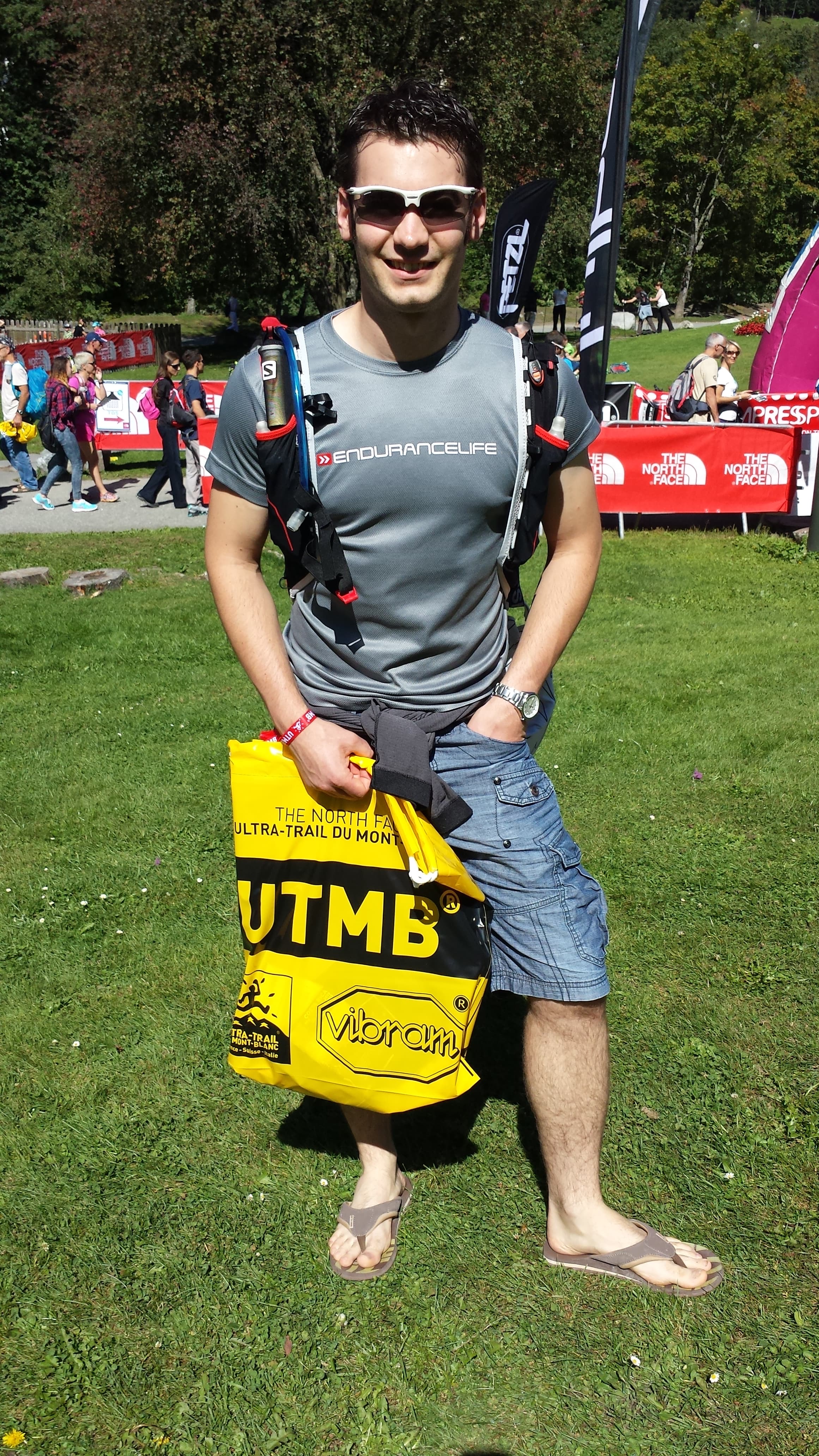
I want it all and I want it now!!!
“Well, tough….you can’t have it!”
Am I talking to my 12 and 10 year old children!? Maybe!! But this of course is a running blog so let’s leave my kids out of it for now.
We’re all a little guilty of seeing other people achieve incredible results and wanting a bit of what they’ve got. We want to experience the same highs and accolades that we THINK other’s are getting. And what’s more, we don’t want it in ten years, we want it this month/season/year. This is true of many aspects in life, but in runners it breeds a particular kind of issue. Whether it be running 100 miles non stop, qualifying for UTMB, smashing the sub-three hour marathon or completing a first 5k, we want to hit those milestones that we think matter, we want them ASAP and preferably we want them all at the same time…
Social media, Strava and anyone who could be classified as being in the influencer category has to take some responsibility here (me included). Posting about epic sessions and amazing results is designed to show you what it is possible to achieve. However, for anyone looking at my running/triathlon resumé, it’s easy to forget the twenty five years of work that have gone into it! Other athletes will often have worked for many years to achieve a result, suffering multiple setbacks along the way. All we see is the finisher’s medal on a glossy insta post. We don’t see the work going on in the shadows, the consistency, the discipline, the failures.
If I work hard enough, surely I can achieve anything I put my mind to?
This is true, but often the target times, events or distances that people have in mind are simply not compatible with each other. Let’s explore a few scenarios.
Athlete A)
They’ve just run a 5k PB on the track, where they broke 17 minutes. They’ve used the calculator tables and with their VO2 max, the 70.3 Ironman next weekend should be an easy sub 5 hour effort. Except…they hadn’t properly trained for that track 5km. The spikes they decided to wear have destroyed their calf muscles

and they spend the next week hobbling. The 13.1 mile run off the bike is a hampered affair and they regret not being smarter about doing two entirely different races on consecutive weekends.
Athlete B)
The marathoner who is in great shape. They’ve just run a PB for 26.2 miles. They’ve been doing lots of long steady runs, tempo and threshold work and their endurance is the best it’s ever been. The next target is a 5k PB. They want to shave 30 seconds off and beat their friend who has always been that little bit faster. They start a 5k race plan a couple of weeks after the marathon. No surprise, without a recovery period, they’re struggling to hit the prescribed paces. The intensity of the sessions is too high, their body can’t adapt to this totally new stimulus and they end up injured. This set back means weeks of training are lost, all because they got greedy.
Athlete C)
This athlete has their heart set on racing UTMB, Europe’s premier mountain 100+ mile ultramarathon. They have their qualification confirmed but feel the need to cram in as many races as possible beforehand. They set about a crazy regime of racing 100 mile events and endless training runs. AND they want to lose weight whilst doing this, because surely the lighter you are the faster you’ll be those Alpine climbs. This athlete lost a bit of weight, and started to race well. But then they got ill, burned out, jeopardised even starting UTMB and ultimately DNFd because they wanted too much all at once.
Athlete D)
The family man. Things are going well on the running front, race results are strong and there’s a chance of a podium at a prestigious ultra marathon. The races are booked, the season is planned. Then life throws a curveball. This runner has to decide on where their priorities are. The likelihood is that there will be a newborn baby to look after right around the time of the year’s big goal race 7 months away. Surely this can be worked out…the race and caring for a newborn…maybe other family members can be roped in to help at home? Is it not possible to have that AND that. No. Even contemplating this causes heated discussions, stress and the dilution of happy news. Athlete D decides to get their priorities right. There’s always another year and another race.
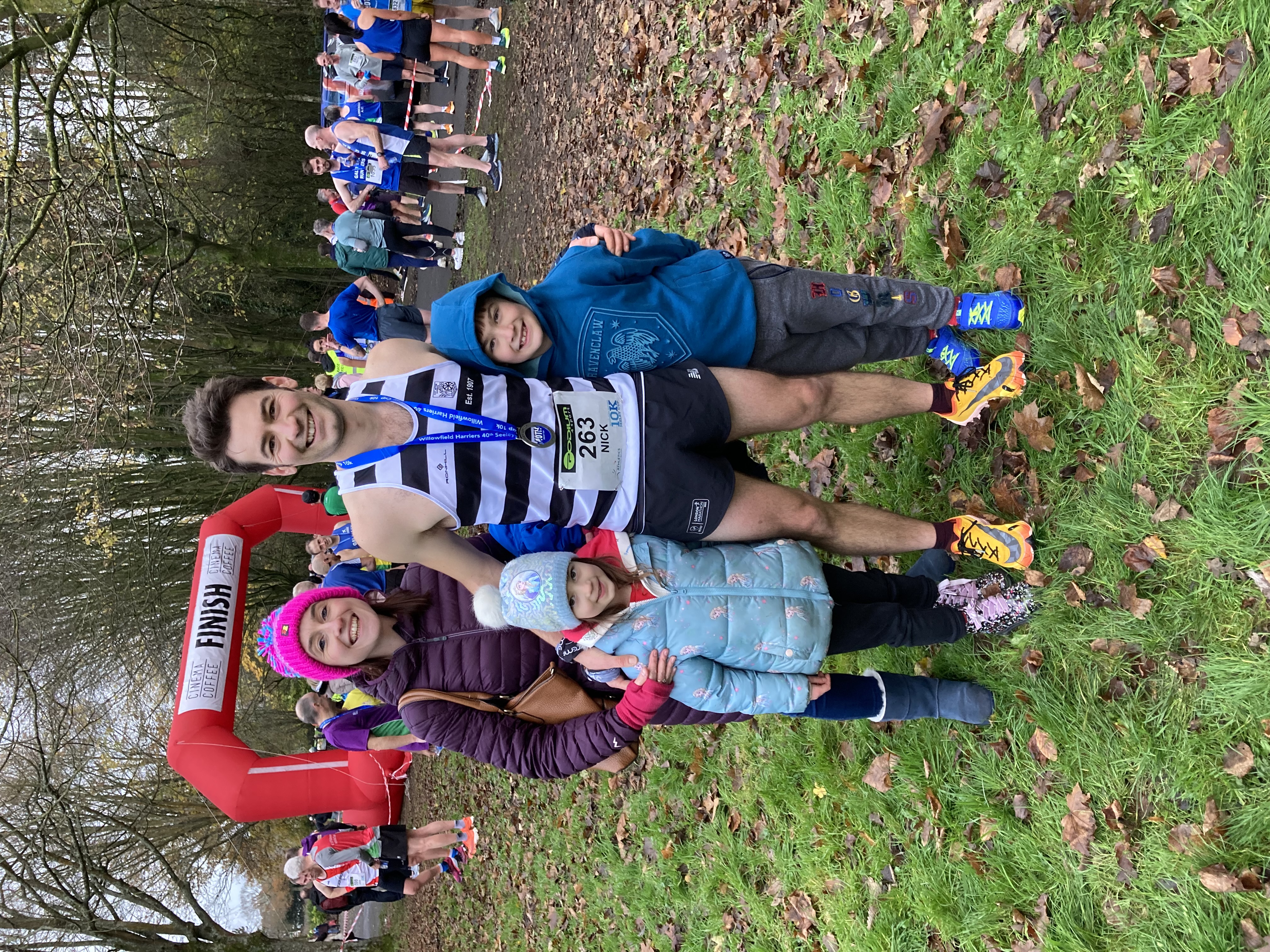
It doesn’t take a rocket scientist to work out that I am all of these athletes! At one time or another these exact scenarios have played out in my life. Wanting it all, wanting it now and wanting more than you are capable of. The psychological drive and obsession can lead to not making smart choices. Who did I need in my corner at those times? A sounding board, a trusted mentor, an objective voice of reason…a coach. Luckily you’re either “winning or learning” and I’ve done a lot of learning with the odd bit of winning.
Setting realistic goals.
As a coach, one of the common things I help people with is setting goals which are both a ‘bit of a stretch’ to give them a motivating target, but are also realistic. This means that in the above scenarios we might have planned to do all of those things, just not all at once! Periodising training, allowing recovery, building up gradually and allowing time to adapt to a new stimulus is all part of the process. But when you’re the athlete in the thick of it, it’s hard to see past the next session, the next race, the big goals. As a coach, you can detach, apply logic and sound training principles. Ultimately, as the athlete, you’ll end up achieving what you want, but in a progressive, fun and sustainable way.
Keep Showing Up
Nick
RNNNG
← All articles