
13 October 2026
Why wearing headphones could be harming your running!
Nick gets incredible insights from deaf athlete Chris and discusses how running with noise cancelling headphones might be blocking important feedback from sounds when you run. He explains how this could this be harming your running performance and encourages you to ‘listen’ to your body!

If you’re serious about performance and improving your form, running with headphones, especially with noise cancellation on, is a bad idea. I’m putting my flag in the sand right here, right now!
However, before you send me an abusive DM or claim I’m a psychopath (thanks Dale, I’ve not forgotten…) for not listening to music or podcasts whilst I run, let me explain my reasonings.
Music and podcasts are a distraction
“Exactly!!!!” I hear you all cry. We don’t want to have to think about how much effort we’re putting in! We want to run faster with less perceived effort! But how do you know what that effort level is if you never run without music? You’re just setting your default to a different level. I’m really talking about a deeper level of distraction, the one that takes you away from understanding how your body moves and feels. We are equipped with a complex system of sensors, with your nerves giving you instantaneous and largely unconscious feedback on your position and movement (proprioception). You are also simultaneously marrying up these signals with how your foot sounds when it hits the ground and how your breathing sounds as you exhale and inhale. To maximise your understanding of how your body is working, what is in harmony and what is not, you need sounds to complete the picture.
With headphones on and music blaring or the latest life hack podcast host chatting in your ear, we are not only blocked from hearing these things, but our brain is having its focus diluted so you can’t even fully process and react to the sensations that you are experiencing.
Sound as feedback
Having mulled this over for many years, and being met with various levels of disgust, disbelief or an occasional “yeah that makes sense, but….” comments, I have never really pushed the subject hard with my coaching clients. It’s important that people are happy when they run. If you’re someone that dreads heading out of the door unless you’re getting some chill time with a much needed break from work or family by listening to a favourite album or pod episode, who am I to argue?
But then I started working with Chris and I resolved to voice my opinions!
The deaf athlete’s perspective:
A bit of background from Chris:

“I have bi-aural sensorineural hearing loss with the range moving from severe to profound across the useable frequency range.
I wear hearing aids in both ears and a combination of this and lip reading allow me to ‘hear’ with reasonable proficiency, although this is obviously influenced by various environmental factors.
I briefly played deaf sport in my early 20s when I was involved in the Deaf England cricket teams development squad….I am now in touch with with the Chair of UK Deaf athletics and have submitted my audiogram to the International Deaf Sports Association.
Deaf sport (has) the requirement to compete without any hearing supports (so hearing aids, cochlear implants etc) to try to provide a level playing field. Up until recently I have trained with my hearing aids which provide a degree of aural feedback, but I have been experimenting running without them, including racing my most recent half marathon.”
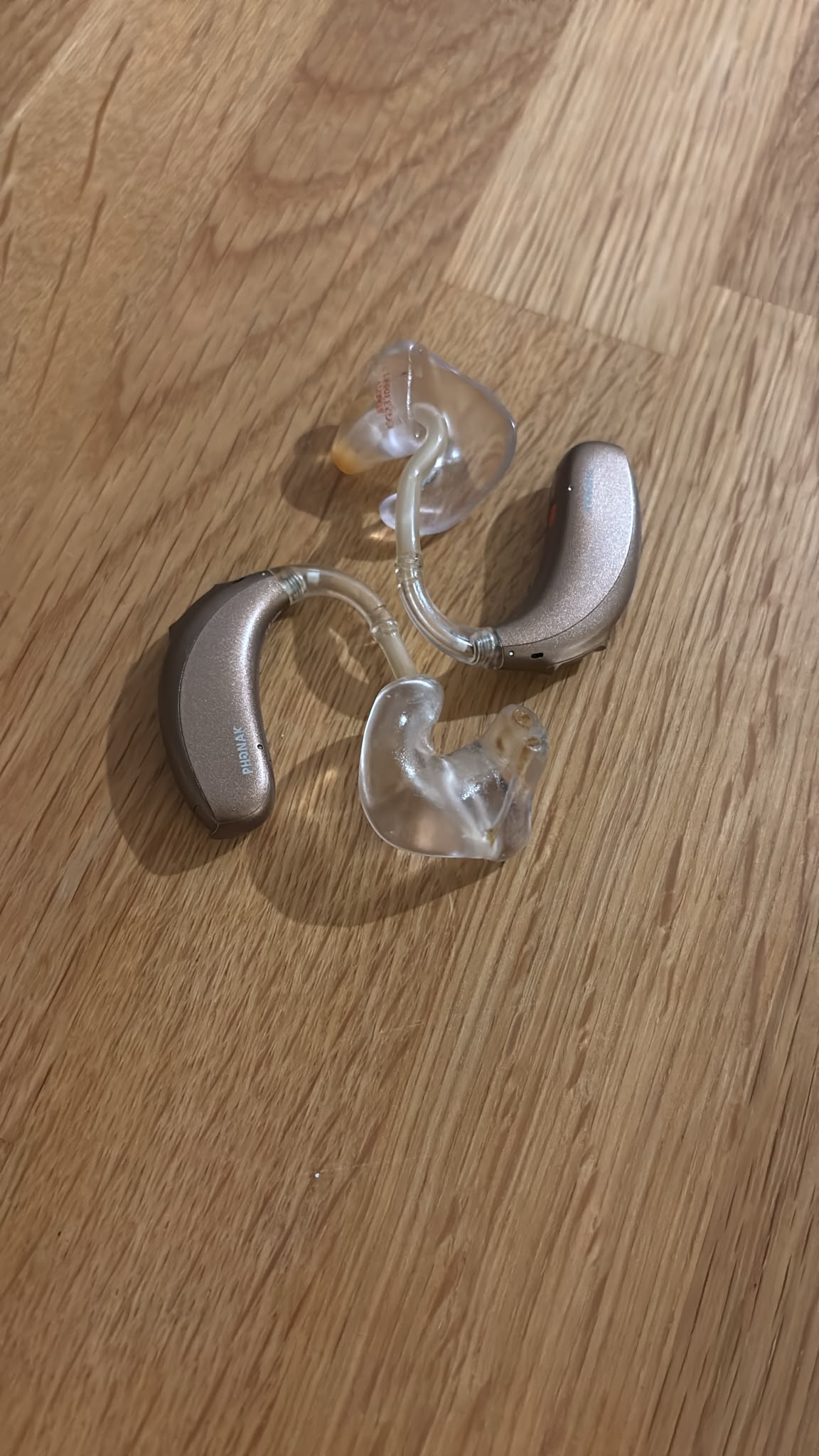
What happens when you go from being able to ‘hear’ to ‘unable to hear’?
Chris:
“The change in feeling is really quite significant, and I found it really affects how running ‘feels’ and also my RPE (rate of perceived exertion). The key differences are the removal of the ‘sound’ of the foot strike. When removed, I felt that I needed to be more deliberately aware of my cadence and also changes in my form and strike as I fatigued later in an effort or race. The sound is a clear feedback source.
Breathing is also something I noticed. It is far more difficult to pick up subtle changes in breathing patterns when you can’t hear them. I can tell with my hearing aids in when I am pushing towards my redline in a 5k as the tone and rate of my breathing changes slightly - the higher pitched, gasping sound is a aural clue that maybe I am too close to the edge. When removed I find that I don’t pick up the cues quite as quickly, and potentially go too deep as a result.”
Can you overcome these challenges?
Chris:
“None of this is insurmountable, and in fact I think that it can help me by allowing me to really tune into the ‘feeling’ of my form, strike and breathing, paying more attention to my HR, cadence etc, but this does take more focus and concentration to make up for the loss of a sense.
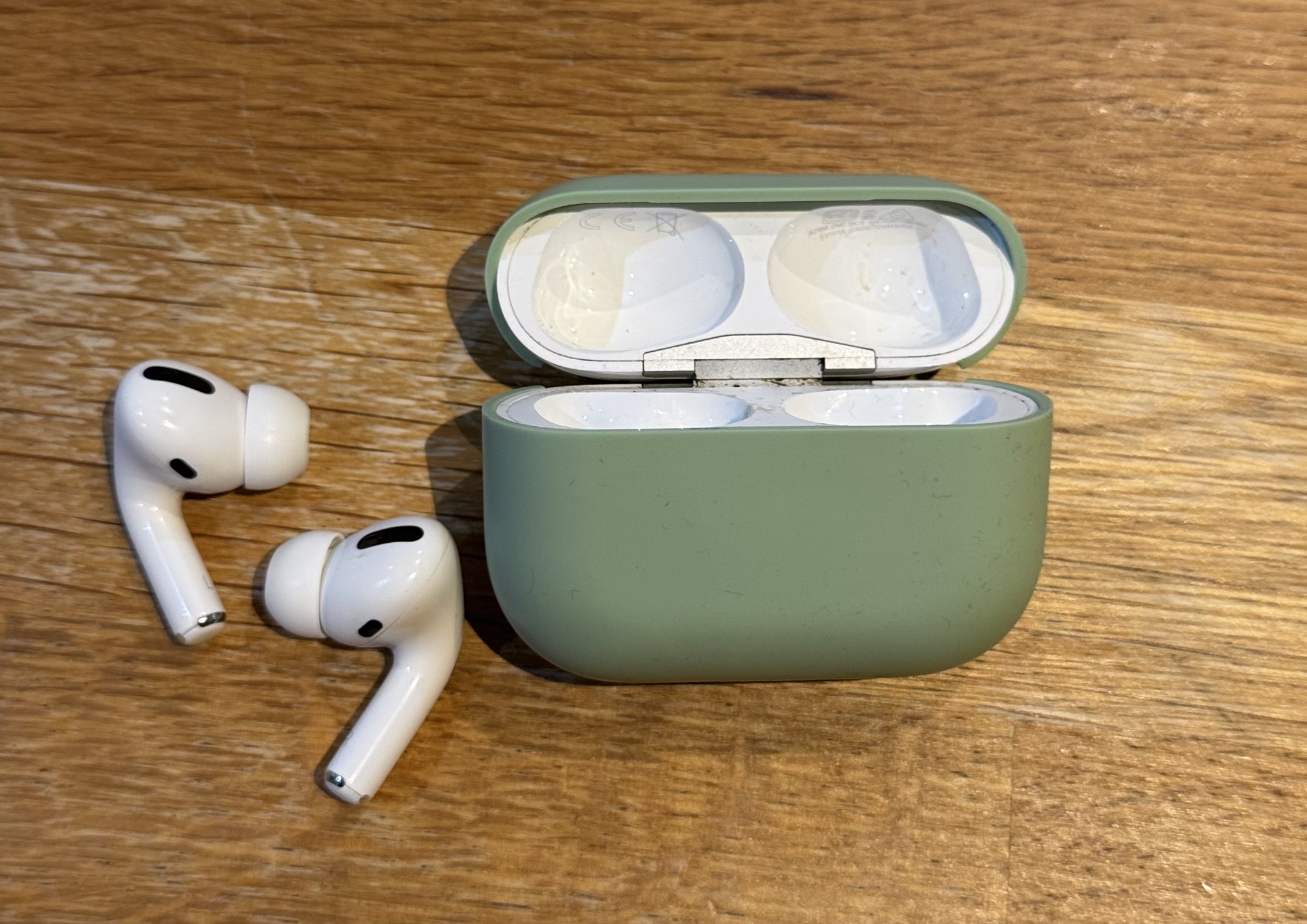
All of the above leaves me very surprised that people choose to race and train in noise cancelling headphones (although I know they are ‘banned’ for racing). I don’t have experience with Shokz style headphones (out of ear bone conducting type - allowing some noise to be heard) and these are perhaps a happy medium though obviously would not work for me. I understand that music can be a distraction from ‘effort’ and can allow people to feel they can push harder potentially, but I feel that the sacrifice is not worth the perceived benefit.”
Would you ever recommend running with headphones?
Chris:
“As I said I think I can accommodate using feel to make up for the lack of sound, but this takes more concentration, the distraction of music on top would limit this ability further. I can see a place for music during generally easy running where a distraction from the ‘monotony’ of long, slow miles might well be worth the cost, but based on my experience I think you are giving up a valuable feedback metric if you are removing the ability to listen during racing or intervals etc and that, especially if looking at getting the absolute maximum out of yourself, then you are leaving some potential performance advantages on the table if you are sacrificing that sensory feedback.”
Do you think it might be different for hearing athletes with no aural impairment?
Chris:
“I should add to the above (that) this is coming from the perspective of someone very used to managing and adapting to low level hearing. I would imagine the impact on an individual with ‘normal’ hearing of noise cancelling headphones would be even more significant!”
After Chris and I discussed our thoughts around the subject, he performed a little experiment -
“I ran without hearing aids (again) today. There were other factors obviously influencing this, but I did find it harder to control pace. Removing that key sensory touch point definitely changed the feeling of effort. I was consistently running quicker than I expected to be with the feedback removed. I can see how people would like that, esp with some upbeat music etc, but can equally see how it could really damage a race if you were sucked into that trap for the first 10k of a marathon for example, running 10-15 seconds per K quicker than planned.”
It’s not all bad then?
Chris’s experience tells us that even when you’re someone who is adapted to dealing with low auditory feedback, the complete removal of it absolutely affects you in numerous ways. The positive affect of removing the sensation of effort can make you go quicker. “Great” I hear you shout. But everyone can appreciate that pushing beyond your physiological limitations too far, too soon, can have negative consequences in a race situation, when trying to pace yourself over an interval session or in a recovery run when the effort needs to be slower than you are used to.
As a coach, I often have issues slowing athletes down on their easy runs, maybe it’s because they’re all listening to 90s trance….when really they need Adagio For Strings 🤔
But none of this gets away from the fact that you can’t cheat the system - your pace matched heart rate zones and lactate threshold can’t be magically altered by your playlist choice, it’s merely the perception. That could lead to you ending up hitting the wall in a race or burning out in a training block leading to your performance stagnating.
Running as therapy
I feel there is also something more meaningful to factor in. Many of us use running as a form of escape, a way to disconnect from the hectic lives we all lead. But if our ears and thoughts are connected to our phone (or posh watch) whilst we’re running, a brief glance to choose the next track or podcast episode instantly drags us back to the tech world. If we’re blocking out the sounds of our environment, a run in nature turns into a lesson on the latest peptides or the Norwegian double threshold, when really we should be appreciating the wind in the trees, the chatter of birds, the call of a curlew on the moors, the babbling brook or breaking waves. Switch off the modern world and soak up the sounds around you. Running is a break from life, don’t bring it with you!
Is it safe to run with headphones?
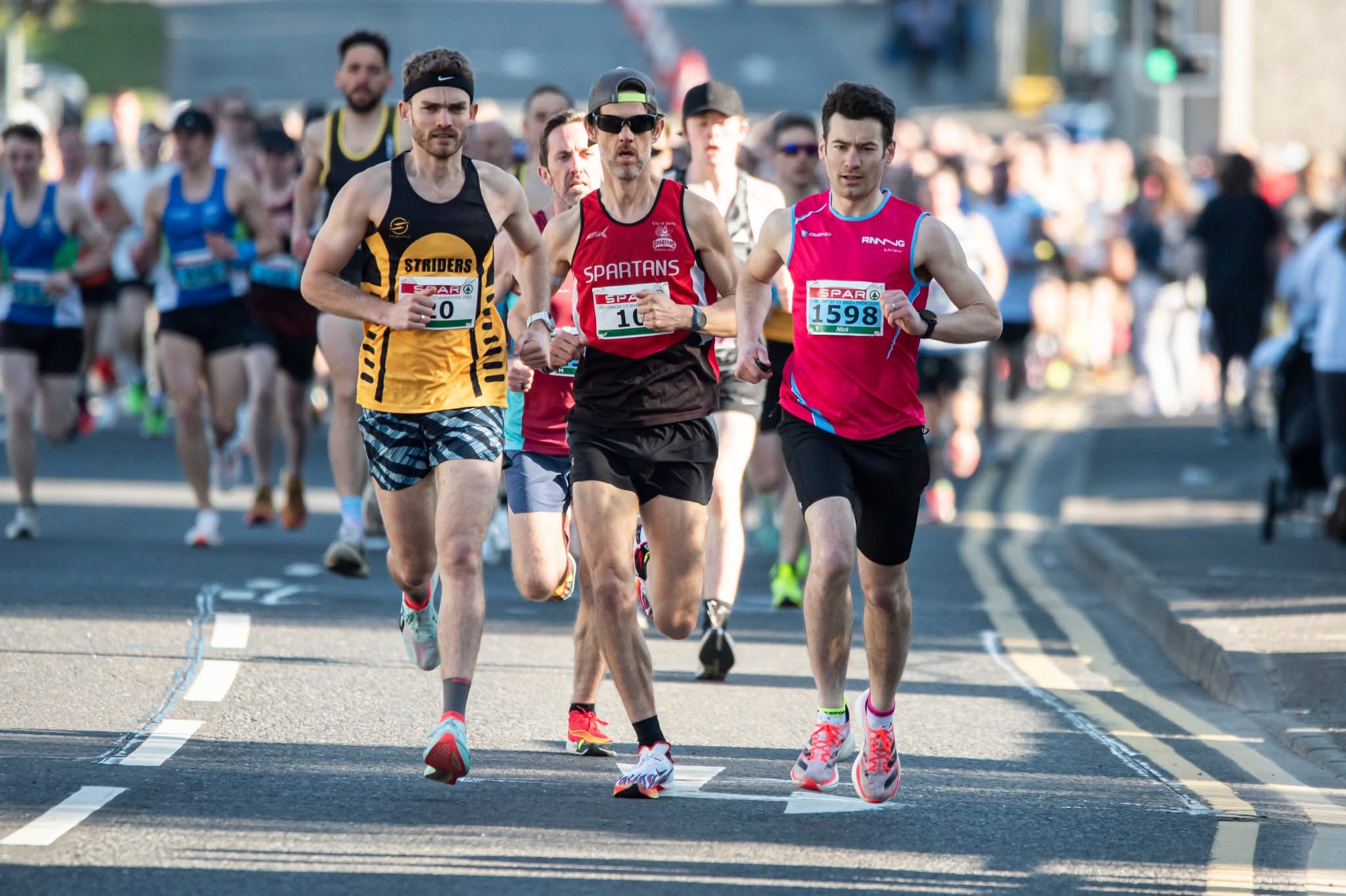
Clearly most race organisers would argue not. A missed call from a marshal could be dangerous. Again the bone conducting versions are better than noise cancelling in ear ones here, but it’s still harming your awareness of your surroundings. I frequently surprise runners and walkers as I run past them on my local paths. They have no idea I’m coming, and I suddenly appear at their shoulder! Clearly there is a safety issue here, if you can’t here me, then you also can’t hear the cyclists or dogs acting as mobile hazards, or heaven forbid someone wanting to creep up and harm you - something I find my female athletes in particular are frequently concerned about on solo runs on dark mornings or evenings. And that’s before we’ve come to running on and crossing roads with headphones….that’s akin to suicide in my opinion!!
Are there any exceptions - is it ever OK to run with headphones?
On a treadmill. Because those are hideous torture devices…and you probably need all the distraction you can get!!
I appreciate I am very polarised on this subject, and the real answer is probably that there is a balance to be struck. If you’re someone who always runs with headphones, then try a few sessions without and see what you notice. Run a variety of paces in a few different locations. What new things are you learning about your body and your environment? You never know, you might learn to like it, and maybe get a bit faster in the process!
As for me, I’ll keep showing up with my ears fully open!
Nick RNNNG
← All articles