
3 November 2026
Should I hire a running coach?
Nick discusses how working with a real life running coach can improve performance and help you to enjoy the process.
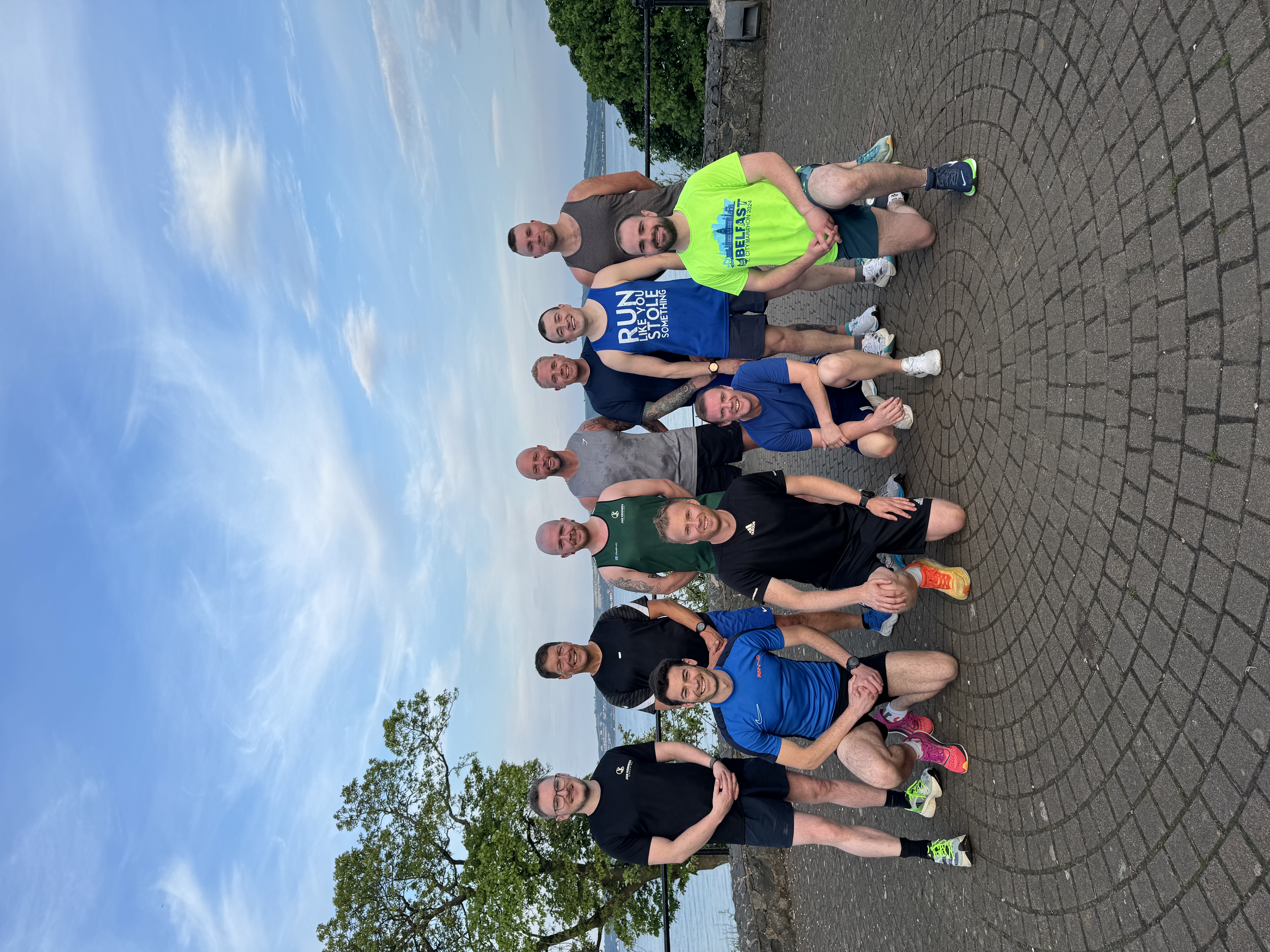
This is a question that any runner looking to improve their enjoyment from the sport or improve their performances by running further, faster or smarter has almost certainly asked themselves at some point! It is a question that I frequently ask myself, even though I am a coach!!
What’s the difference between using an app and getting a real life running coach?
The number of coaching apps available has grown hugely in the last few years. There are now offerings like those from Runna/Strava and your Garmin or Coros Watch will offer you tailored plans based on your data. Even ChatGPT keeps coming up on my socials feed offering me running plans! They’re normally very competitively priced or included as part of a premium subscription package. You also have the option of asking any AI to generate a bespoke plan for you. BUT, and it’s a big but…these all rely on pre-existing data sets or prompts that you’ve inputted at the start of the process. Or possibly, such as with the watch based systems, they are trying to interpret the data sets they have and draw conclusions about your ability to train from these. They do not look at the bigger picture - your long term history, training age, future goals etc. They offer a short term answer to one training block at a time. They can’t see where you’ve been or where you want to get to. A 30 minute call with a real life coach will yield more information than any amount of facts and figures fed into an algorithm. Coaches have your long term interests at heart, we want you to keep showing up, race after race. We’re not “one and done” algorithms.
Will a running coach make me faster?
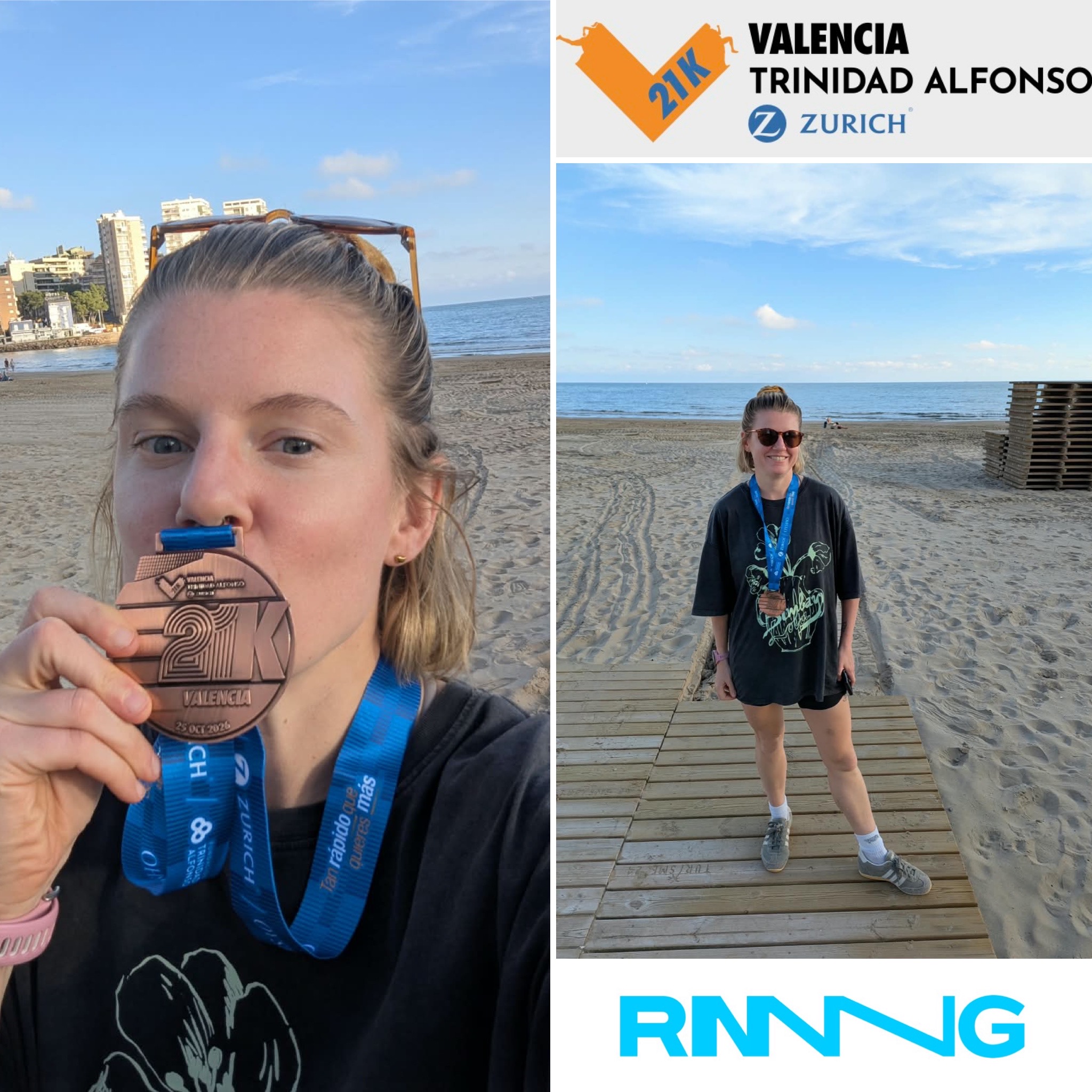
Probably, although this very much depends on your experience and training history. If you’re someone with years of running under your belt and have competed to a high level with the guidance of coaches or clubs, then your fastest days might be behind you. You might be looking for one of the other benefits that we’ll discuss later, so you won’t be faster NOW than you were BEFORE, but you might be more competitive in your age categories or enjoy greater longevity in the sport.
However, in my experience, most people who run have not been lucky enough to come from an elite coaching or club background. They may have all the motivation, but lack the knowledge about how to apply themselves in training. A coach inherently understands the best way to use your available training time to the fullest. With simple adjustments such as making your faster runs faster but shorter, and adding recovery runs at a pace you might deem incredibly slow, your body will adapt and your performance will improve.
Will a running coach increase my motivation?
Another cohort of people that benefit from coaching is those who are seeking the motivation to get fitter or have fallen out of love with the sport due to the daily grind of trudging through miles and sessions. Again, the apps and ChatGPT plans are lacking here, they won’t hold you accountable! I personally track every session my clients do, and they know it! I can see when and where they’re running, I can gauge their fatigue or mindset from the smallest flippant comment. This keeps a lot of people showing up session after session, knowing that their coach is eager to see how they find the latest interval, threshold or hill session. I want as much feedback as I can get, and generally runners don’t want to disappoint - skipping sessions or taking shortcuts becomes a rarity.
The other thing real coaches won’t do is beep at you every few seconds when you’re a bit off your set pace. Watches with preloaded sessions will often chastise you for having an off day and missing targets, not what you need if you’re already feeling under par!
Can a running coach help me to set goals?
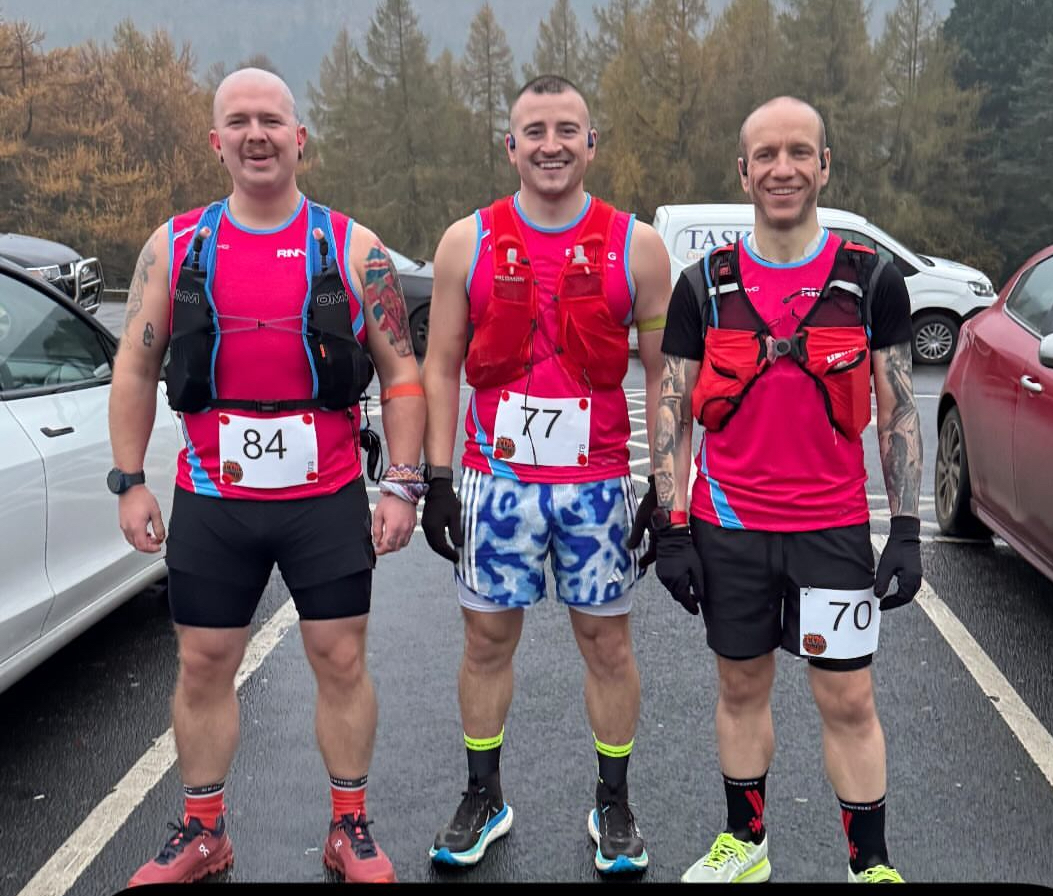
Realistic goal setting is a vital part of a runner’s journey. When you use an app you’ve probably already decided your goal race and time or distance. Maybe you’ve sold yourself short and not been ambitious enough or perhaps the opposite, you’re over reaching and missing all your targets (highly demotivating!). A coach will look at where you’ve been and where you want to get to, taking into account your history and likely ability to train in the future. Many people come to me asking how they run a sub three hour marathon when their current training suggests a 3:30 is more realistic. We can probably get you there, but it will take patience and a series of interim goals. An 18 week Runna plan would probably have you doing sessions at 4:15/km straight off the bat! A sure fire way to get an injury and end up disappointed…which leads me to….
Will working with a coach reduce my running injuries?
Any coach with an athlete’s best interests at heart and wanting longevity in their coaching career will try to design sessions that are suitable for you ability right now, and progress you gradually to allow your body to adapt. They will listen to feedback and adjust sessions that seem to be problematic and causing niggles. And if the worst should happen and you pick up an injury, they will be there to support you through the rehab and recovery process, not abandon you or throw increasingly depressing messages at you about your loss of VO2 max or running fitness. Injuries are impossible to avoid altogether, but with a real human guiding you, those little niggles can be managed, and the psychological support a coach can provide as you work through a full blown injury is invaluable.
I need advice on nutrition and hydration. Do coaches provide help with these?
Many coaches have additional qualifications in nutrition. Personally I’m not a nutrition expert, but I do have a depth of medical and physiological knowledge thanks to my degree and profession (BVSc) and a sound understanding of the principles of fuelling your training, racing and recovery. Can I plan your every meal and manage complex nutritional challenges?…No. Can I improve your running by guiding your fuelling and hydration strategies in both training and racing, whilst also making you aware of commonly held misconceptions? Almost certainly!
Can a coach build swimming, cycling and strength and conditioning into my plan?
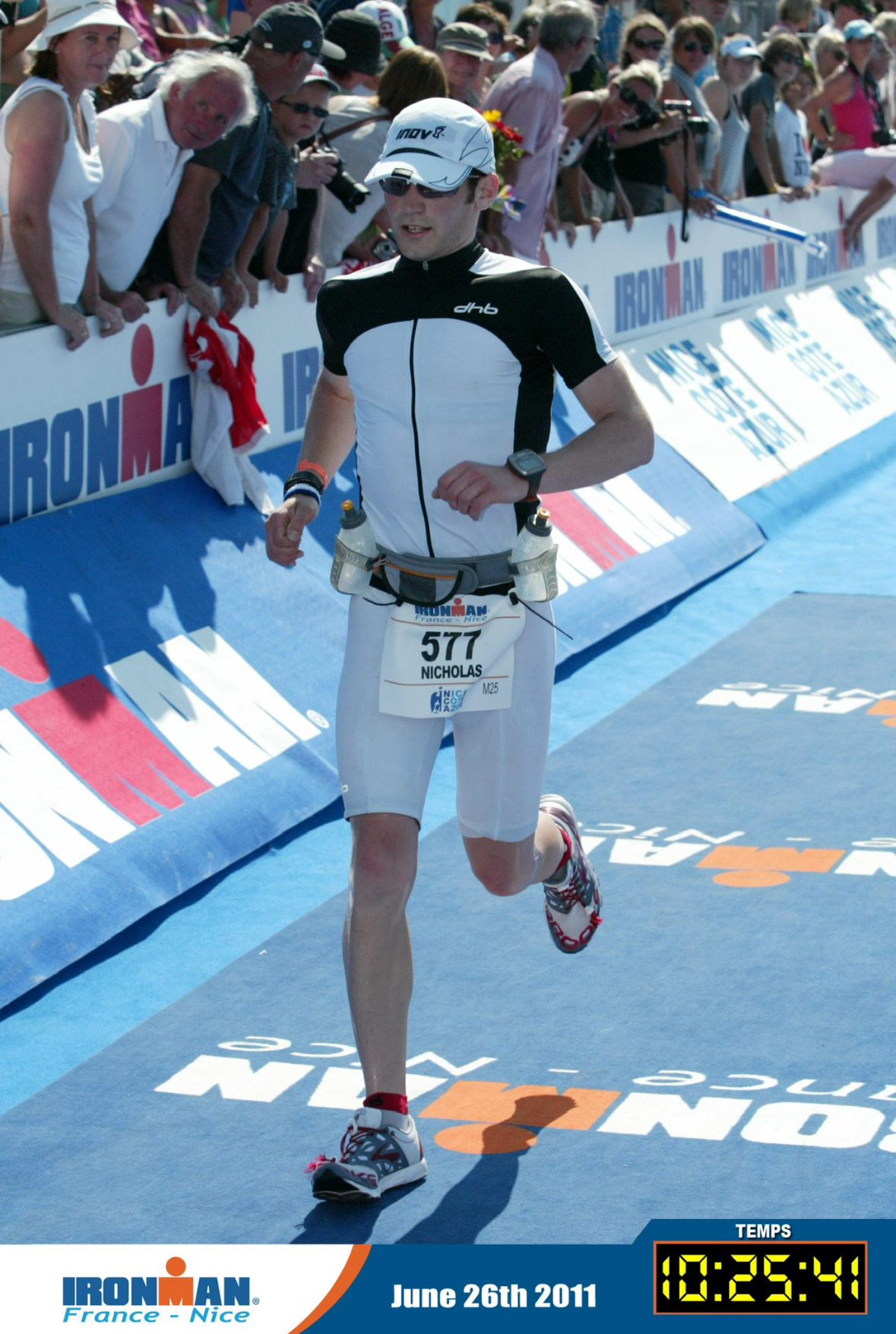
Most coaches understand the need for a variety of exercise stimuli in an athlete’s life. Now in my mid forties, I consider strength and conditioning to be a vital part of my own running routine as well as using swimming and cycling at various points in my year when running has to reduce. I am increasingly finding many people already attend the gym, have a PT or are at least receptive to building an S&C habit. Cycling and swimming, or any aerobic based activity can add low impact volume to a running plan too. How, when and where to add all of this in to your week/month/year can be challenging to work out. As a four times Ironman Triathlon finisher (PB 9:54, Roth 2010) I am acutely aware of the risk:benefit ratio that certain cross training sessions can have on your running. I’m not sure the running apps have the capability to do this yet, and it would take a lot of prompting to get AI to give you sensible answers about balancing multi-sports. Find a coach who has the experience of both coaching multi-sport and competing in it, then you’re more likely to get the type of bespoke plan you require.
I’m worried I wont be able to do all the sessions the coach sets me. What if I’m sick or injured, or life gets busy?
This is where the human aspect of a real life running coach really matters. An app can’t know that your work schedule suddenly got hectic, or your kids were ill, or that your elderly parents require constant care. They also don’t know that the current race target is part of a longer term strategy to move from 10k, to marathons to an ultra. And if they DO know these things, it’s because you have spent hours of your life telling them! You’re wasting precious time trying to get an AI to understand what an experienced human can comprehend in seconds!
It doesn’t matter if you haven’t hit every target. If you had to miss a week, change locations, or book yourself into a week long retreat to deload…coaches can work around your life. I ask for a weekly update so you can tell me what might be coming up in your life that could affect training. Rather than giving you a negative data point for it, I design sessions that are manageable within the parameters you set. Completing a shorter session successfully is far more motivating than ‘failing’ to complete the longer but unrealistic target set in a non bespoke plan.
I am an ultra runner. My app won’t plan past a 50km race.
This is something I’m hearing more of. Athletes who are stepping up in terms of distance or race complexity, adding multi day, mountainous or desert events into their calendar can’t build a training plan using an app that is specific enough. A coach with experience in these type of events can offer help with training for these much longer events. Experienced ultra-running coaches also help with racing strategies as well as advice on kit, nutrition, aid station logistics and even travel and jet lag issues.
In short, a real life running coach isn’t just planning your sessions and pace zones, they are your mentor, sounding board and even therapist! Working with you, not against you.
Finding the right coach will mean you keep showing up, get more enjoyment and probably run faster for longer!
Nick RNNNG
← All articles